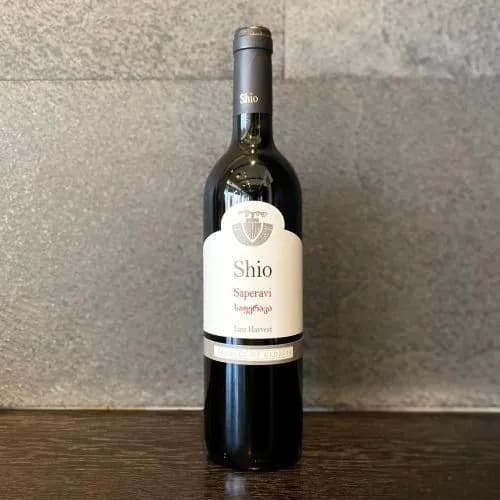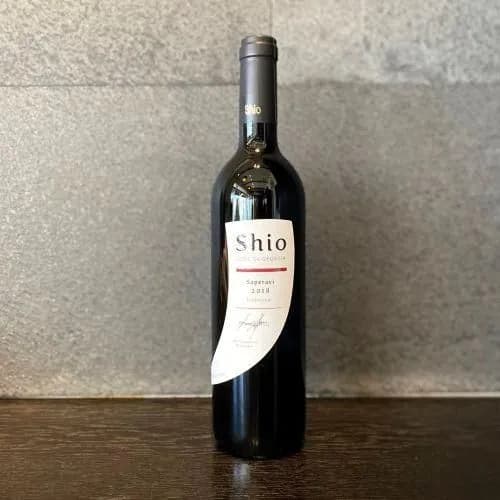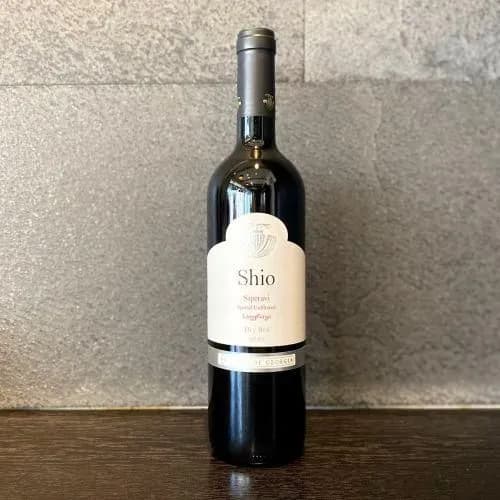
Saperavi
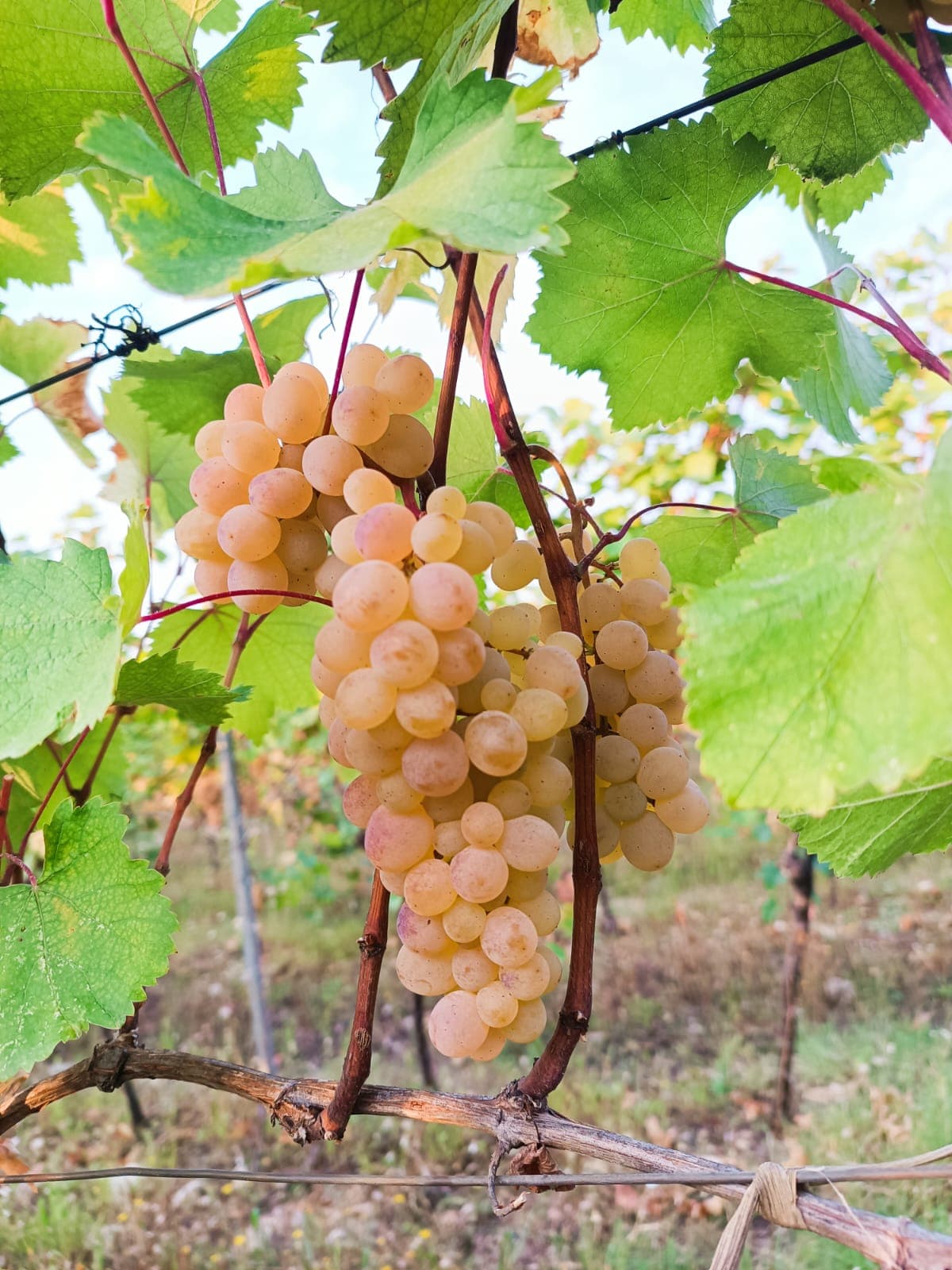
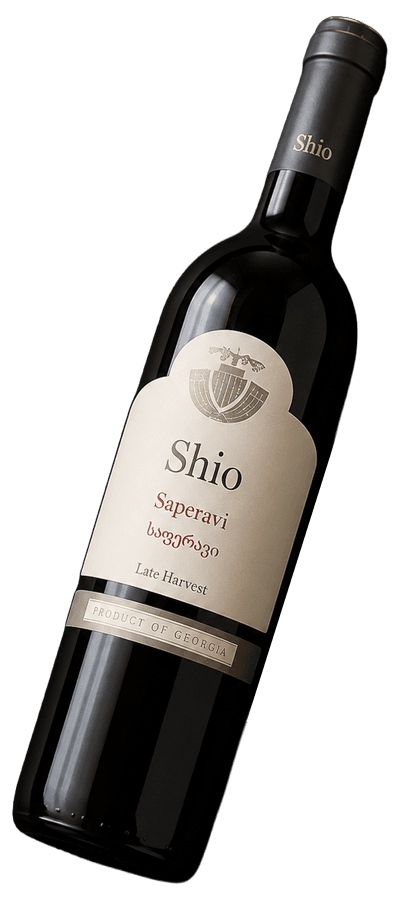
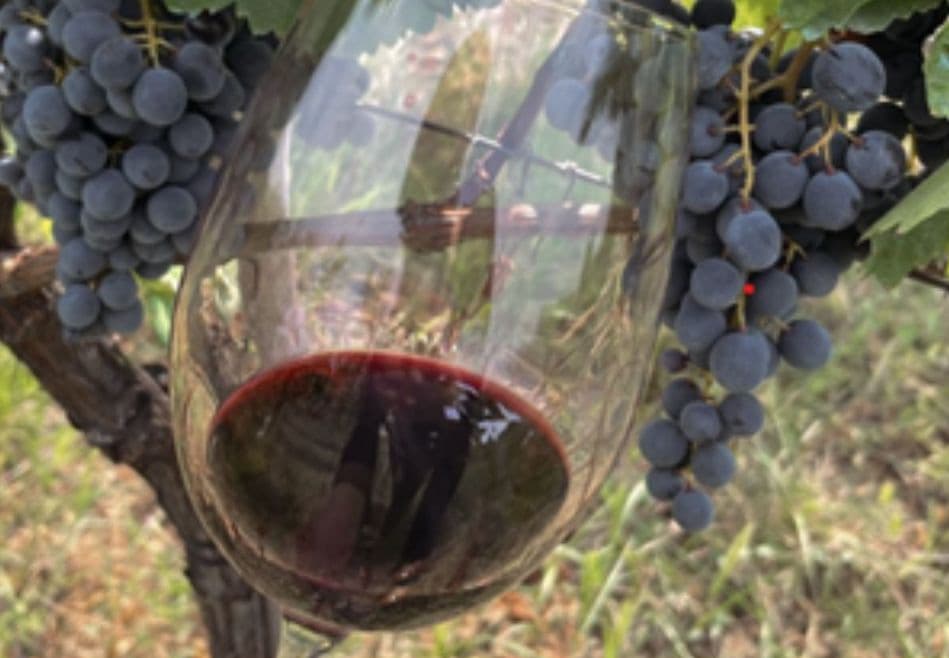
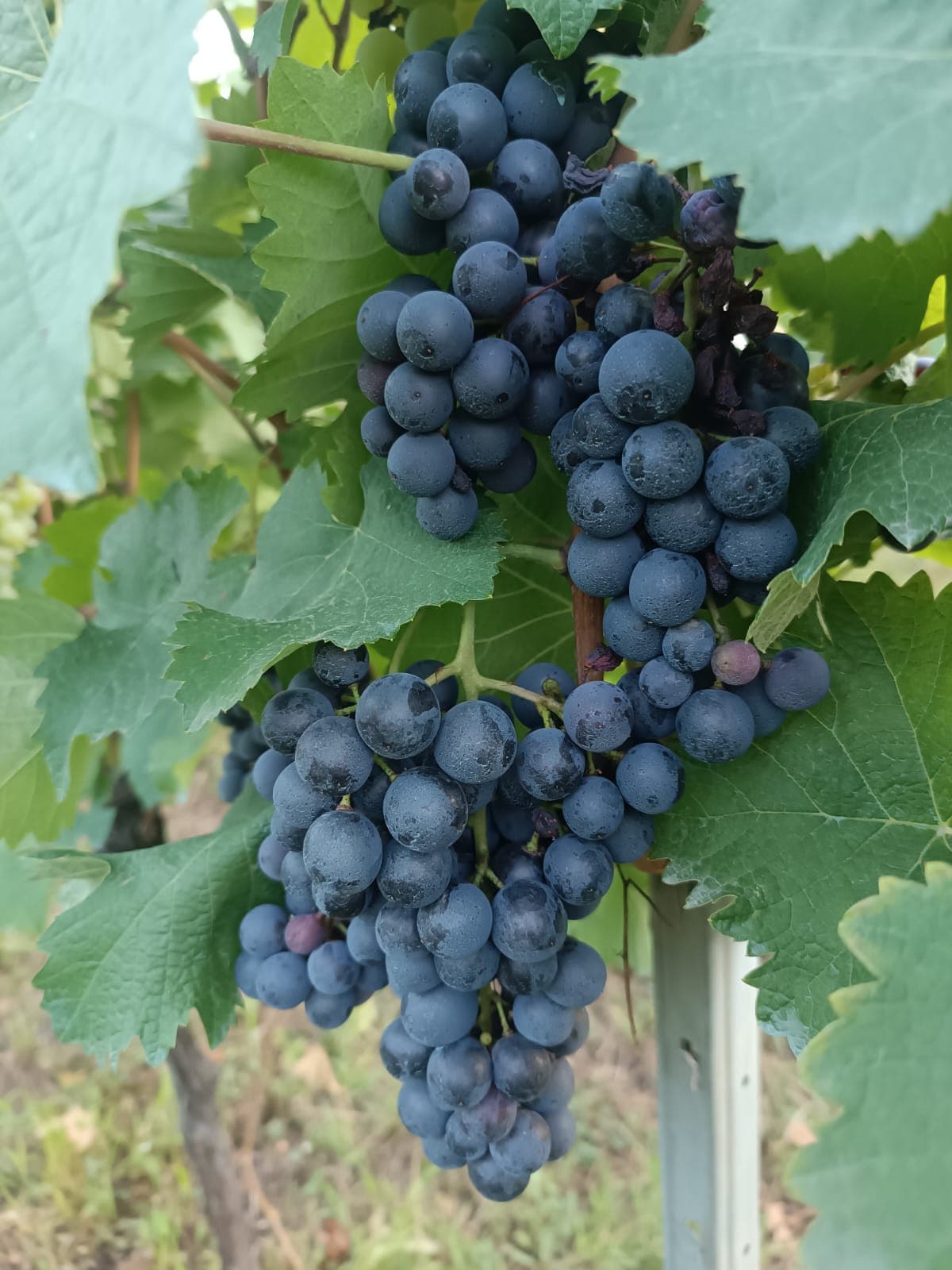
A red native to Georgia with deep color and vigorous acidity. High acidity and abundant tannins cut cleanly through fatty meats. Expect blackberry and plum fruit with earthy nuances from aging.
Georgia · The Cradle of Wine
Mukado Wine
Georgia, the birthplace of wine, with 8,000 years of history. In this home of the world's oldest winemaking culture, the traditional method using qvevri — earthenware vessels buried in the ground — lives on to this day. In Mukuzani, one of its most celebrated appellations, MUKADO WINES honors that tradition while uniting it with modern technique and quality control to craft wines that speak honestly of their land. With some 30 years of friendship with the makers as their official importer to Japan, we are proud to share their wines with you.
Mukuzani, Kakheti — Georgia 🇬🇪


MUKADO WINES is a wine brand rooted in Mukuzani, one of Georgia's most celebrated appellations. Uniting the inherited qvevri method with modern winemaking technique, it expresses the true character of native grape varieties in every single bottle.
About Georgia
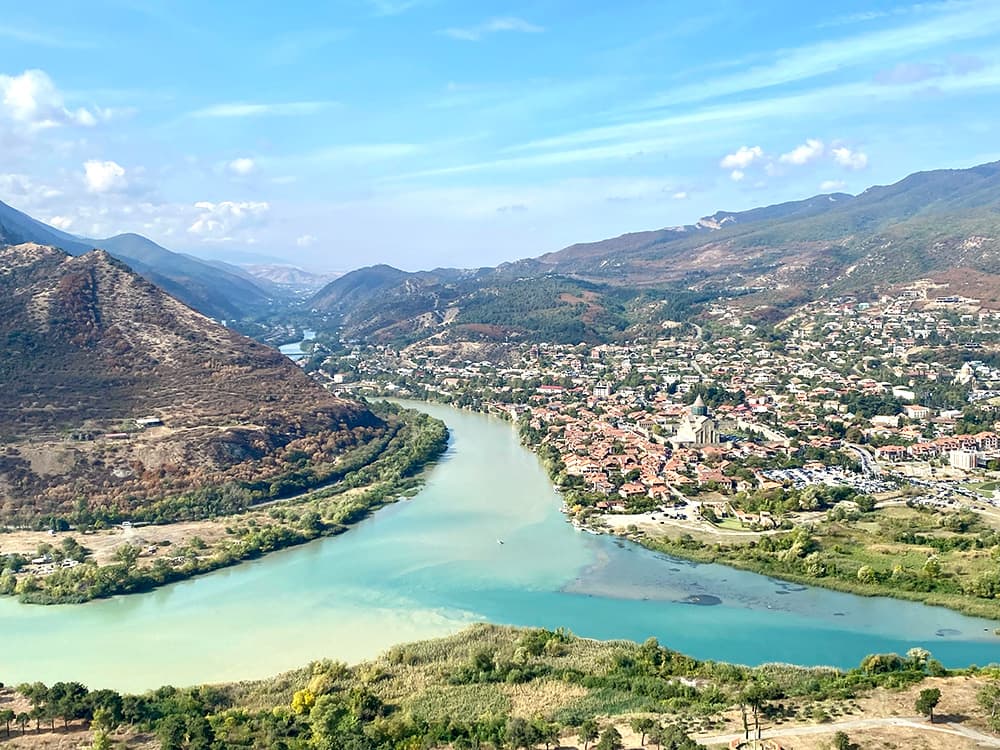
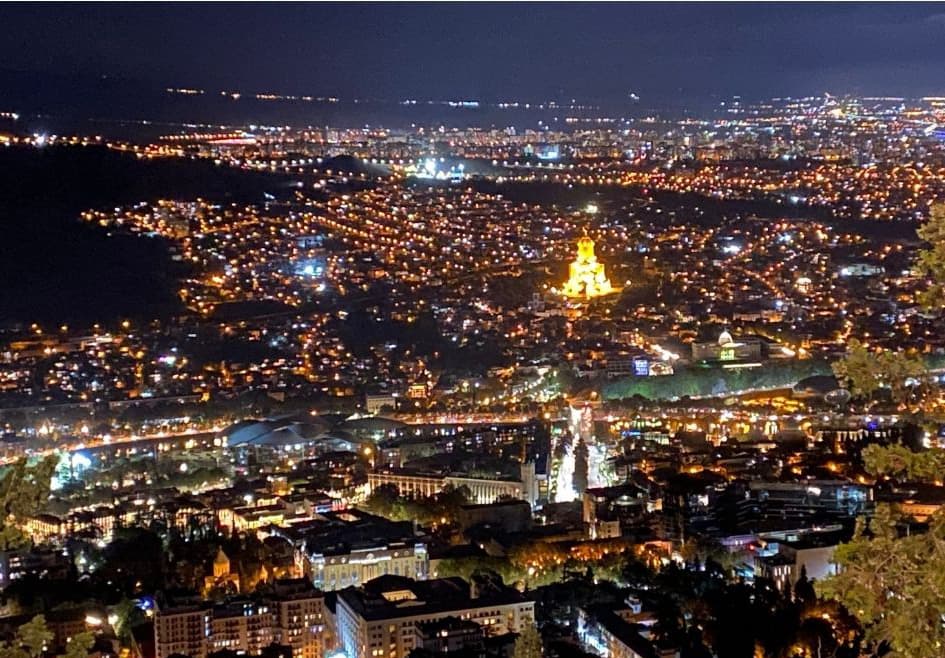
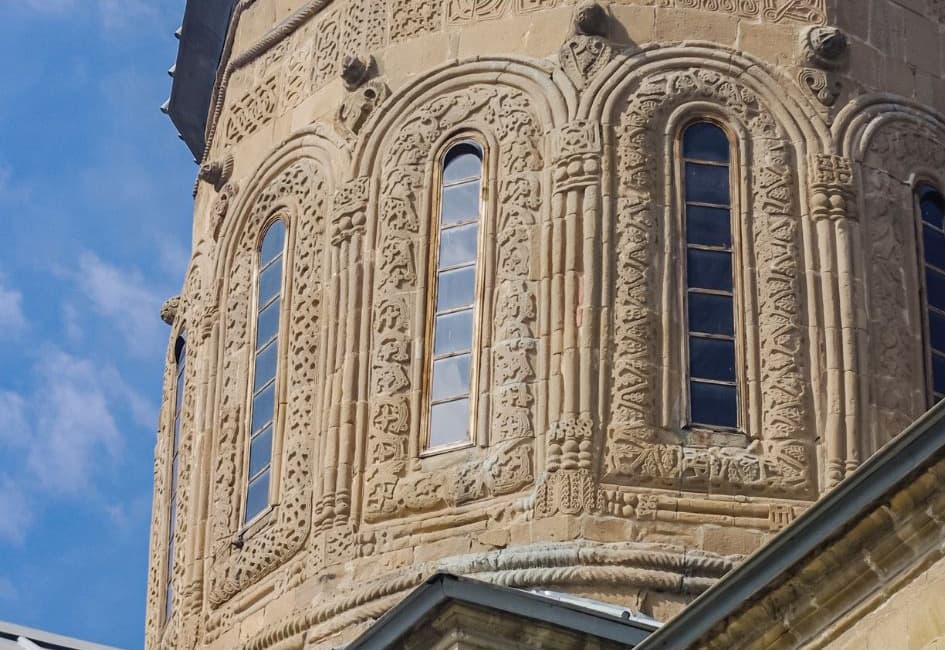
Georgia lies in the South Caucasus, at the boundary of Europe and Asia. With the Greater Caucasus range to the north and the Lesser Caucasus to the south, the country is blessed with diverse climates and rich nature, and has long been known as a land well suited to growing grapes. Traces of winemaking dating back some 8,000 years have been discovered here, and in this birthplace of the world's oldest wine culture, the traditional method using qvevri — earthenware vessels buried in the ground — is still part of everyday life. A crossroads of East–West trade, Georgia welcomed many cultures while safeguarding its own winemaking traditions — and that is what shaped the character of Georgian wine.


What is Georgian Wine
Between the Black Sea and the Caspian Sea, in the South Caucasus, lies Georgia — where wine is believed to have been made for some 8,000 years, making it home to the world's oldest wine culture. For Georgians, wine is far more than a drink: it is part of daily life and culture, deeply woven into everyday meals, celebrations and religious occasions. More than 500 indigenous grape varieties, and winemaking methods handed down region by region — that accumulation is what gives Georgian wine its remarkable range of aroma and flavor.
The title "birthplace of wine" rests on archaeological evidence. Pottery excavated from a Neolithic site south of Tbilisi, dating to around 6000–5800 BC, was found to contain compounds derived from grapes and wine — now regarded as among the world's oldest scientific evidence of winemaking from grapes. That a craft begun 8,000 years ago survives not merely as heritage, but lives on in people's daily lives today — that is the great appeal of Georgian wine.


Qvevri Method
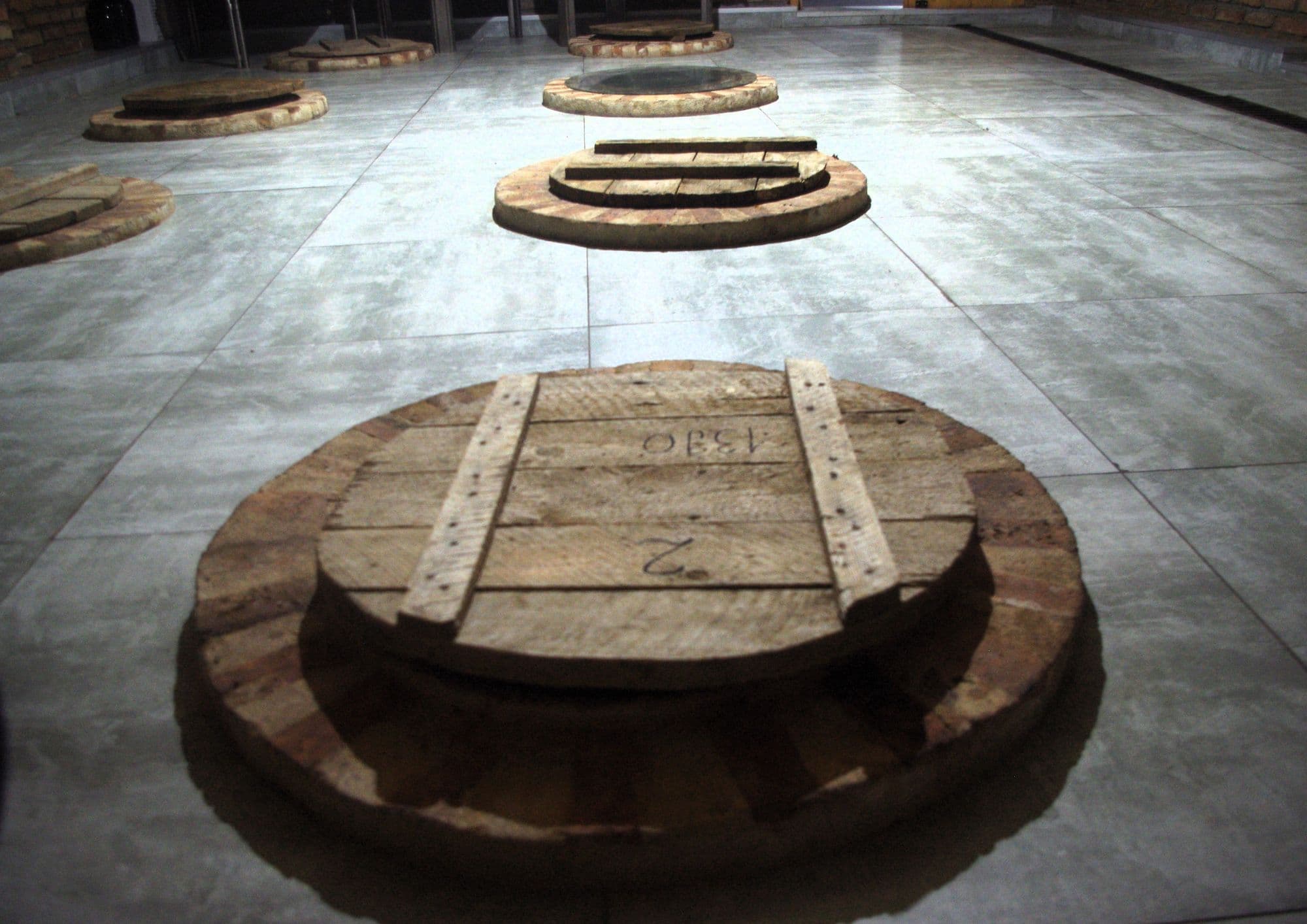
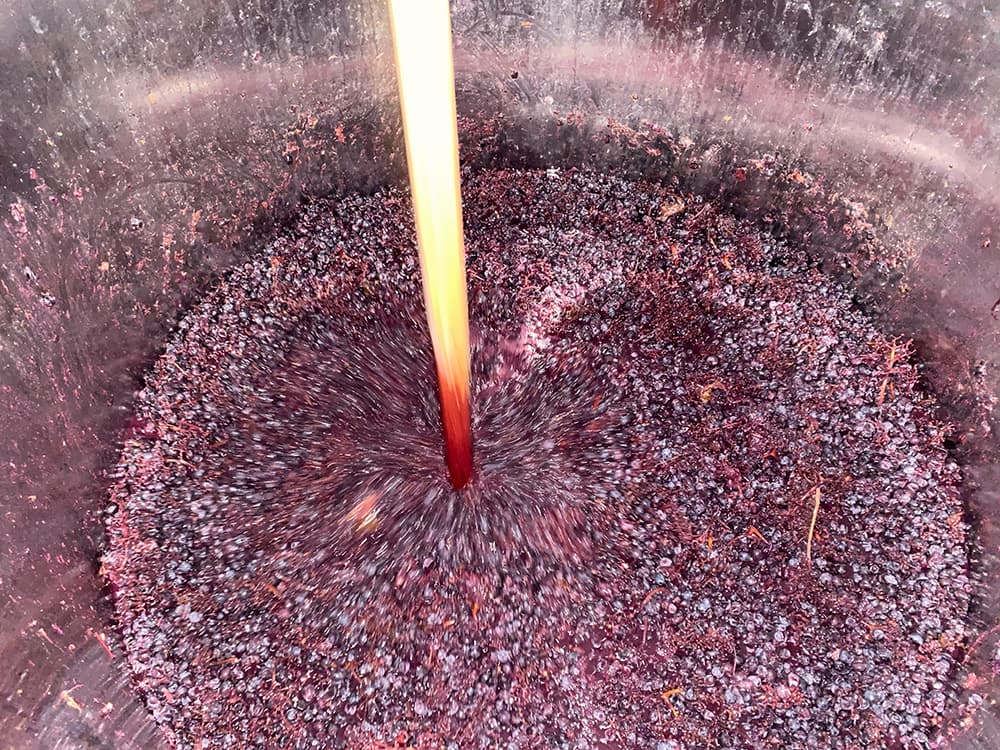
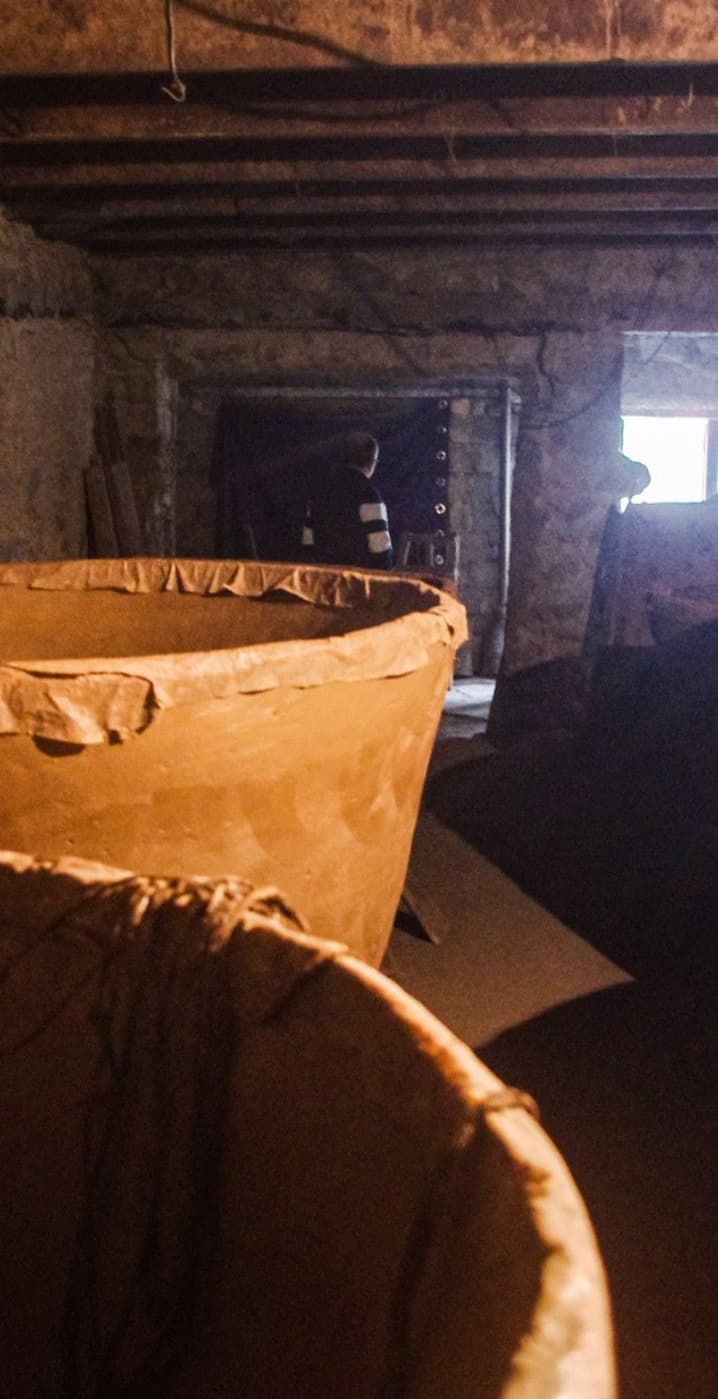
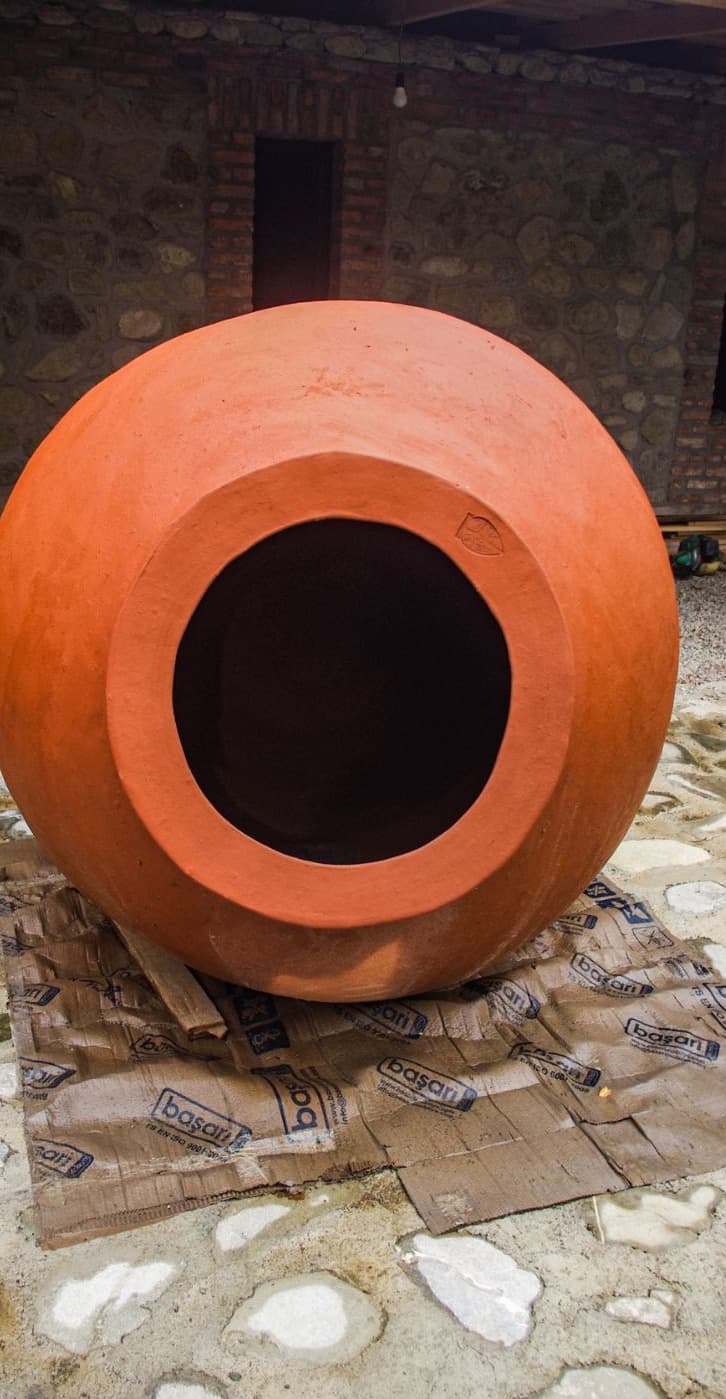
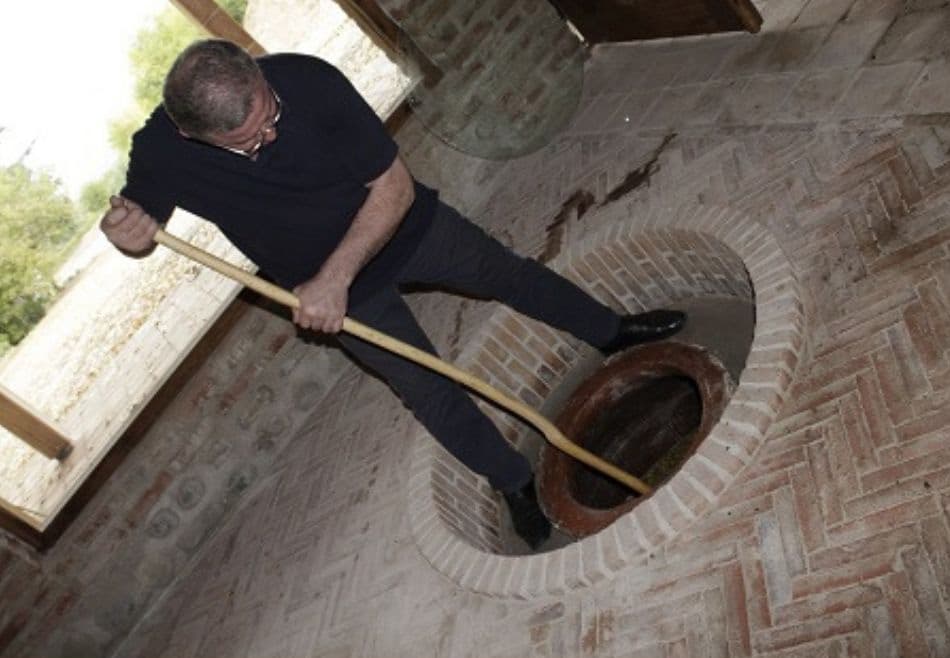
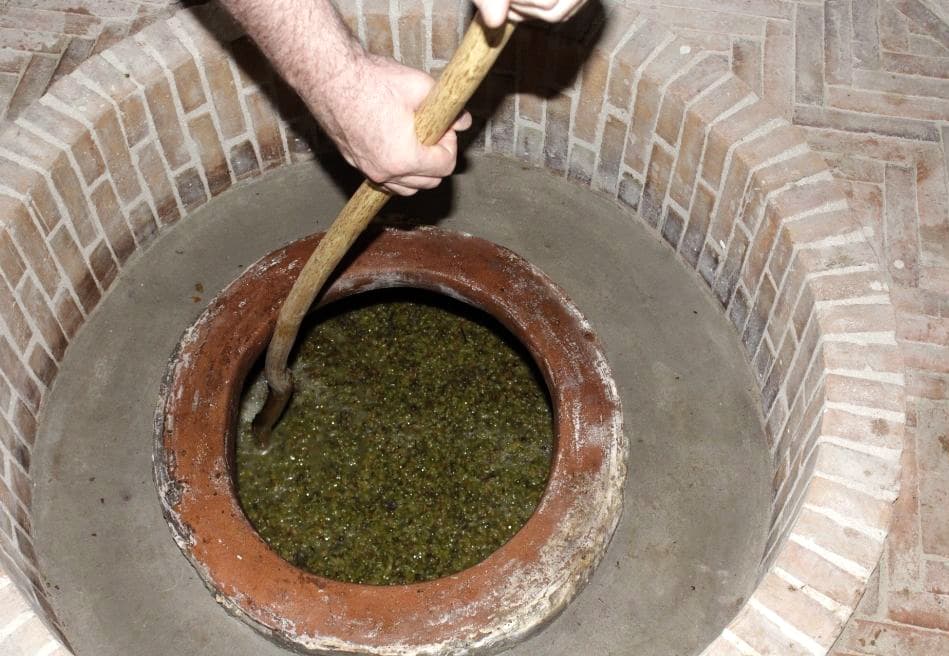
The symbol of Georgian wine is the traditional method using qvevri — earthenware vessels buried in the ground, in which the grapes ferment and age. This way of making wine has been passed down through generations over a long history. Burial in the earth shields the vessel from the outside air and keeps its temperature relatively stable, while the porous clay lets through just a trace of air, so the wine matures slowly and gracefully. In the traditional method, not only the juice but also the skins and seeds — and sometimes the stems — ferment and age together, drawing out color, aroma, tannin and depth to produce wines of complexity and structure. The qvevri's distinctive egg shape, too, carries the wisdom of earlier generations: the liquid moves naturally during fermentation, and skins and lees settle easily to the bottom afterward. Ancient though the method is, its workings hold a logic that resonates with modern winemaking.
This traditional qvevri winemaking was inscribed on UNESCO's Intangible Cultural Heritage list in 2013. In recent years, egg-shaped fermentation and aging vessels inspired by its principles have come into use at wineries around the world. MUKADO WINES, too, honors this inherited qvevri method, carefully drawing out the character of native varieties while uniting tradition with modern technique.
Georgian Wine in Numbers

MUKADO WINES is a wine brand founded by Lado Uznashvili, the eleventh generation of the Uznashvili family, who have made wine in Georgia for centuries. The name "MUKADO" combines Mukuzani — one of Georgia's most storied appellations — with the founder's name, Lado, carrying both respect for the land and the maker's conviction.
Building on the tradition he inherited in Georgia, Lado has worked as a winemaker at wineries across the world — in Australia, France, Italy and beyond. The experience gained from engaging with different lands, varieties and methods now informs his work with Georgia's native grapes and traditional winemaking. What he aims for is not to reproduce tradition as it was. While honoring Georgia's winemaking culture, above all the qvevri method, he brings in modern technique and quality control to express the character of native varieties and the land ever more clearly. Eight thousand years of Georgian wine culture, and skills refined in cellars around the world — joining both in a single wine is the winemaking of MUKADO WINES.
Terroir of Mukuzani
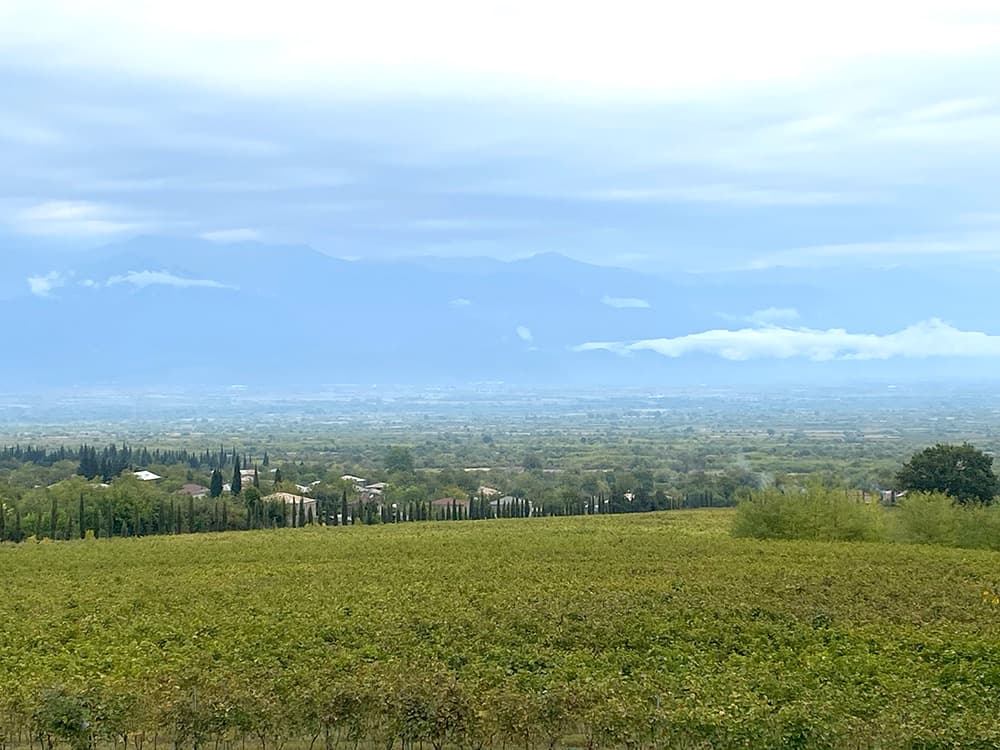
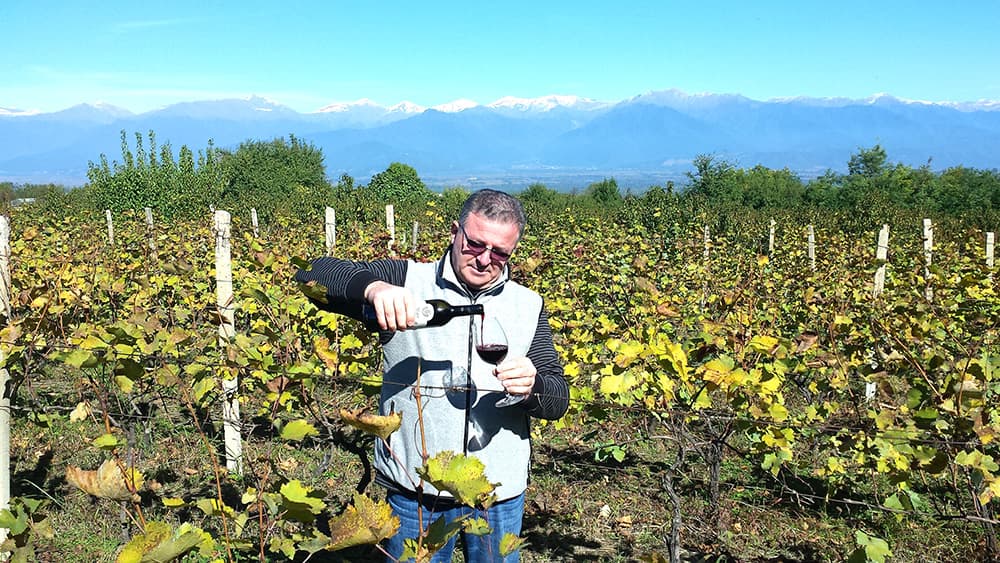
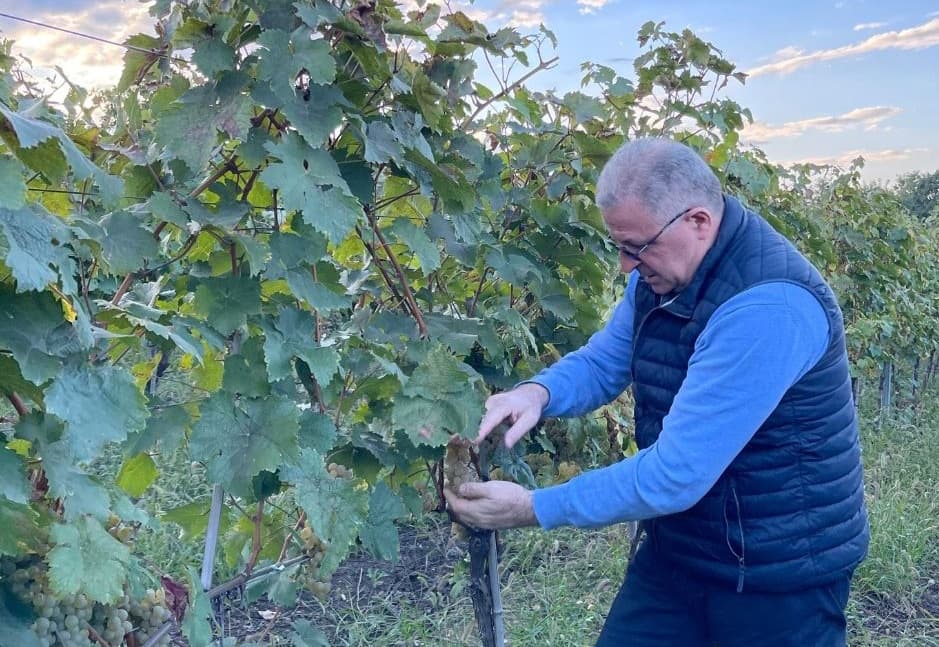
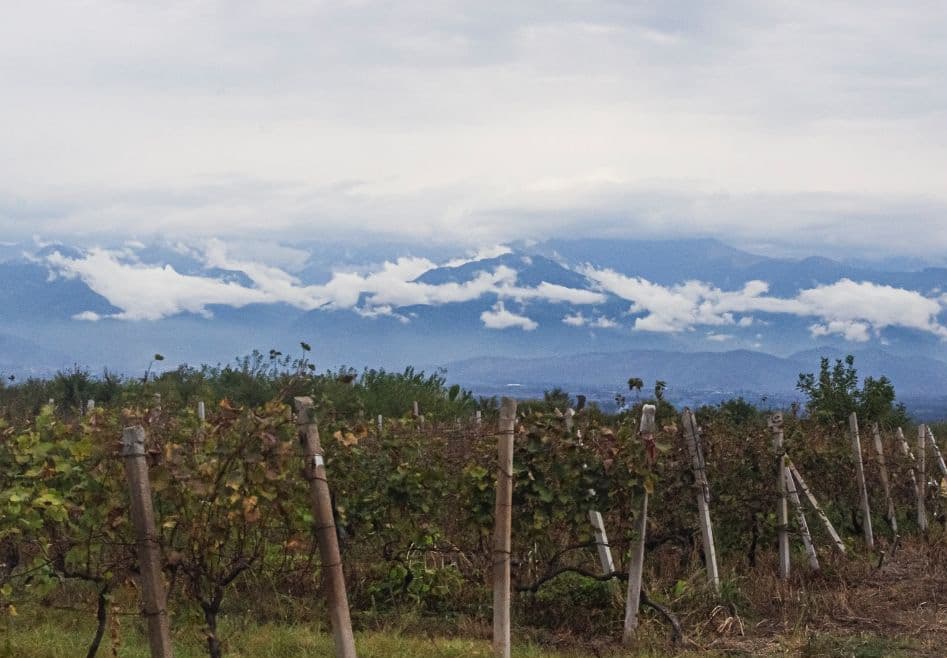
Kakheti, in eastern Georgia, is the country's largest wine region, and on the right bank of the Alazani River that flows through its heart lies the famed appellation of Mukuzani. Facing the Greater Caucasus, Mukuzani's vineyards sit at roughly 350–700 meters above sea level. Hot, sun-blessed summers and the cool air flowing down from the mountains create wide day–night temperature swings; in this environment the grapes ripen slowly, building rich fruit and acidity. The area holds a variety of soils containing clay and carbonates. Soils that retain moisture while supporting the vines' maturation, combined with Mukuzani's distinctive climate, raise Saperavi into grapes of deep color, powerful fruit and firm structure. The name MUKADO was born by joining this place, Mukuzani, with the founder's name, Lado. Mukuzani is not merely where the grapes grow — it is the origin of MUKADO WINES.


Tradition & Innovation
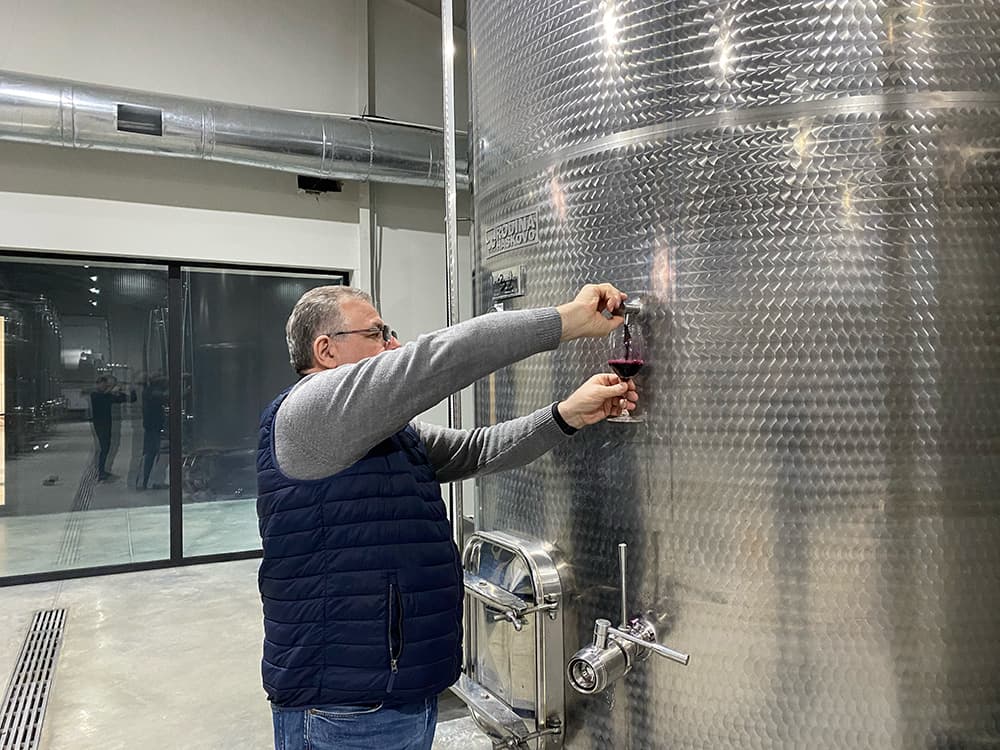
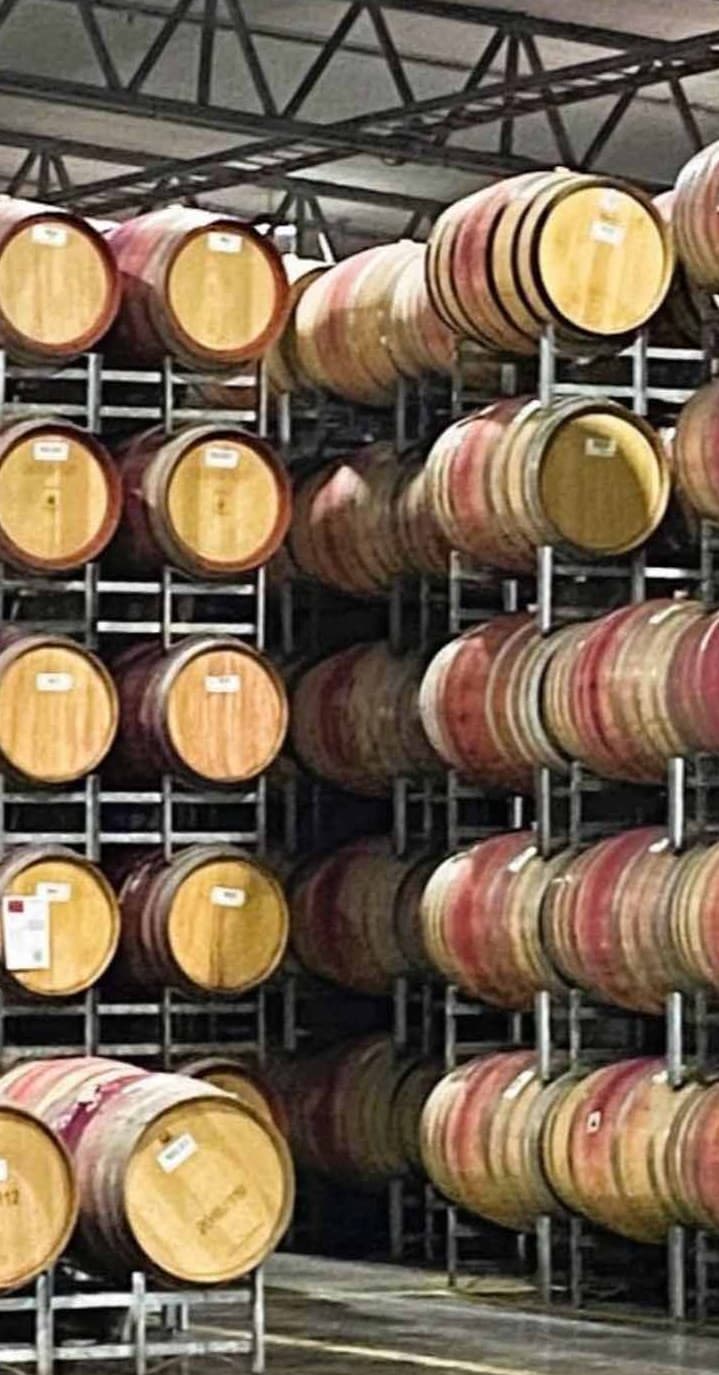
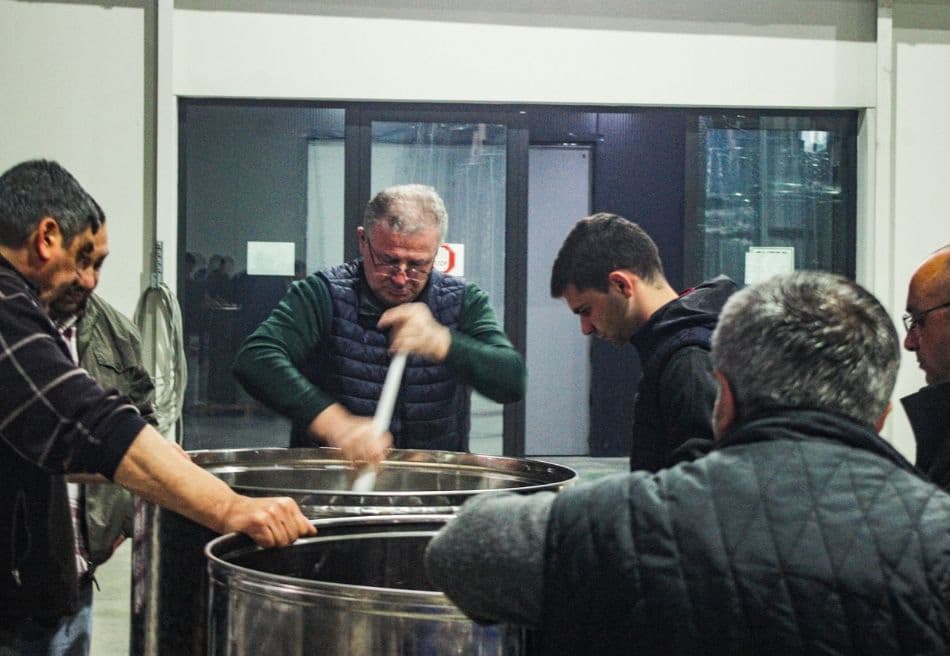
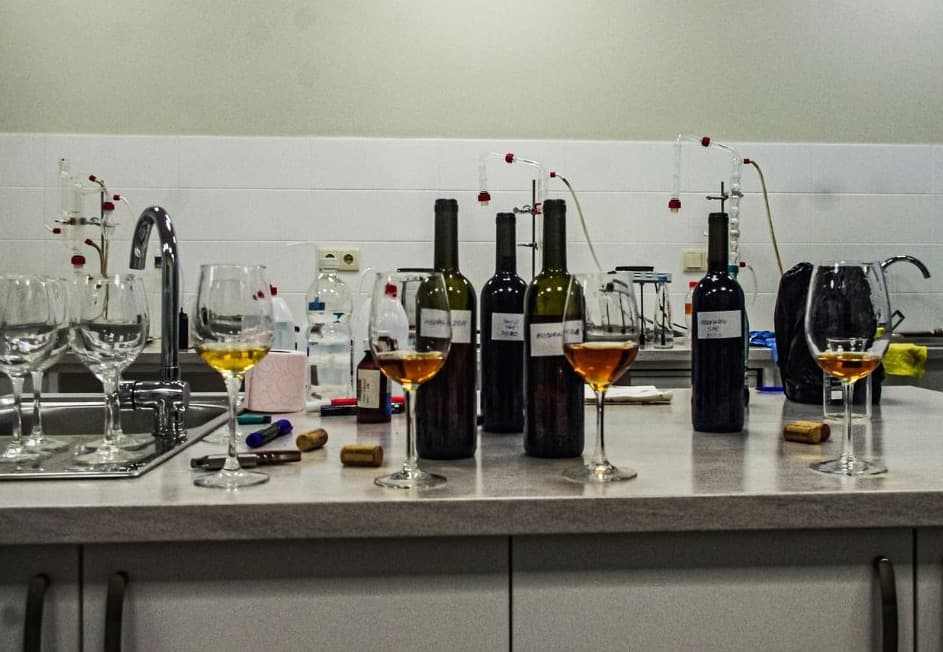
Winemaking at MUKADO WINES is not a choice between tradition and innovation. While cherishing the qvevri method handed down in Georgia for 8,000 years, the winery also employs modern equipment — temperature-controlled stainless steel tanks and oak barrels — wherever it serves the purpose. The aim is not to preserve traditional methods for their own sake, but to express each grape's character as beautifully as possible, choosing the ideal vinification for every variety, vintage and intended style. Heir to Georgia's traditions and seasoned at wineries across the world, Lado Uznashvili can unite old wisdom and modern technique naturally. To carry tradition into the future is to discern what should change and what must not — that is the winemaking of MUKADO WINES.
For MUKADO WINES, the qvevri is no mere fermentation vessel. It is Georgian wine culture itself, inherited over 8,000 years. Each qvevri is selected for the style of wine envisioned, with close attention to the quality of the clay, the firing method and the capacity; even its placement and role within the winery are carefully considered, so that every wine has its ideal environment. Not merely preserving tradition, but drawing out its fullest value — that is what devotion to the qvevri means at MUKADO WINES.
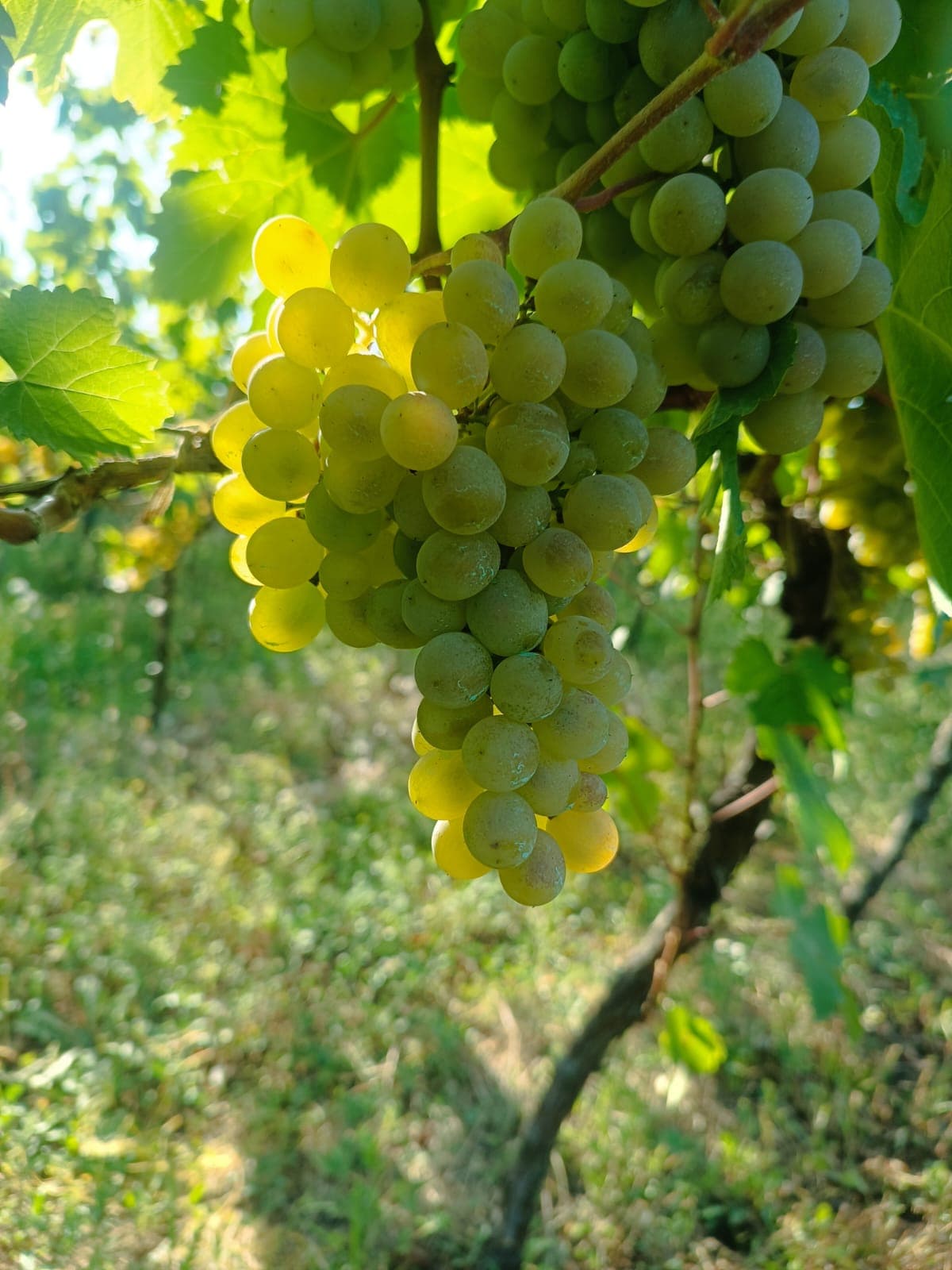
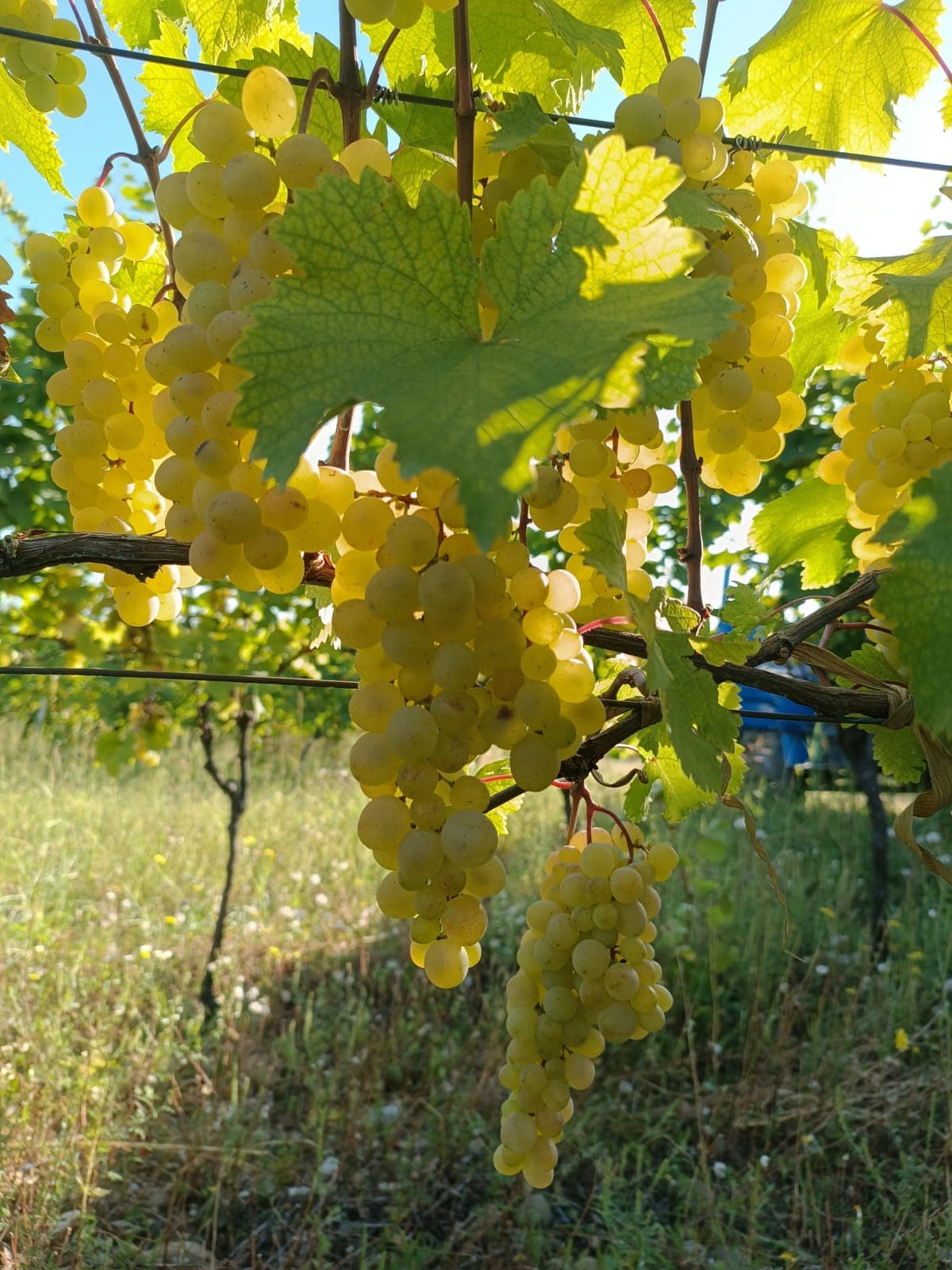
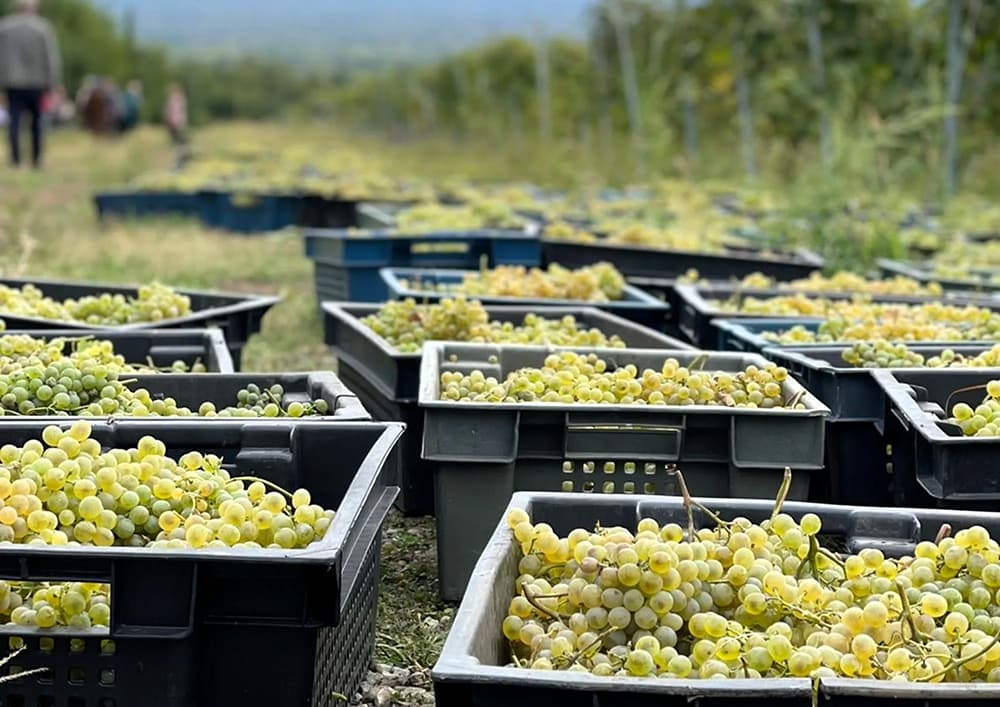
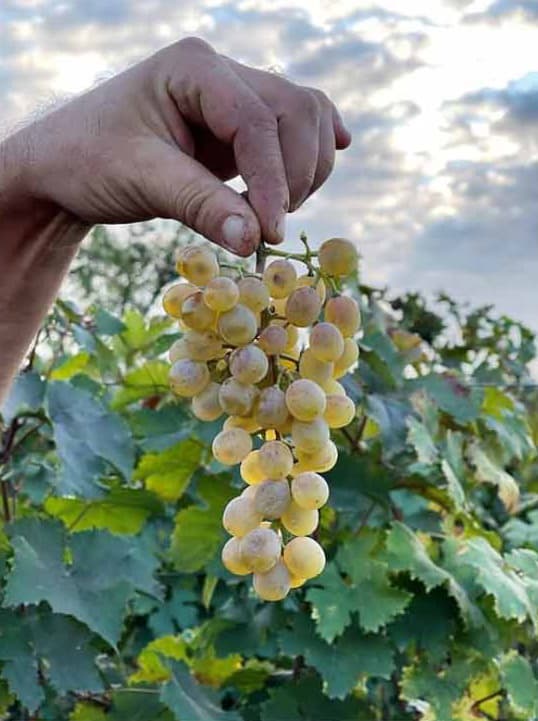
More than 500 indigenous grape varieties live on in Georgia. Among them, MUKADO WINES works chiefly with Saperavi, Rkatsiteli, Mtsvane and Kisi, respecting each variety's inherent character and carefully tailoring cultivation, harvest timing and vinification to each one. Its grapes are selected quality-first from estate-managed vineyards and contracted growers.
Great wine is born in the vineyard, not the cellar. Guided by that belief, MUKADO WINES practices lutte raisonnée — reduced-pesticide farming that limits the burden on the environment — reading the condition of the vines and using only the minimum agrochemicals and fertilizer needed, in harmony with nature. In the cellar, too, the grapes' own character comes first, and sulfites are kept to the necessary minimum. Tradition, land, grapes and maker: when all of these are in harmony, a glass of wine is born. That is the winemaking MUKADO WINES strives for.

MUKADO WINES makes more than wine. It carries forward 8,000 years of Georgian wine culture and eleven generations of the Uznashvili family's devotion, passing them on to the next generation.


Georgian wine pairs beautifully with a wide range of dishes. From powerful reds to crisp whites, here are the personalities that bring food to life.

A red native to Georgia with deep color and vigorous acidity. High acidity and abundant tannins cut cleanly through fatty meats. Expect blackberry and plum fruit with earthy nuances from aging.

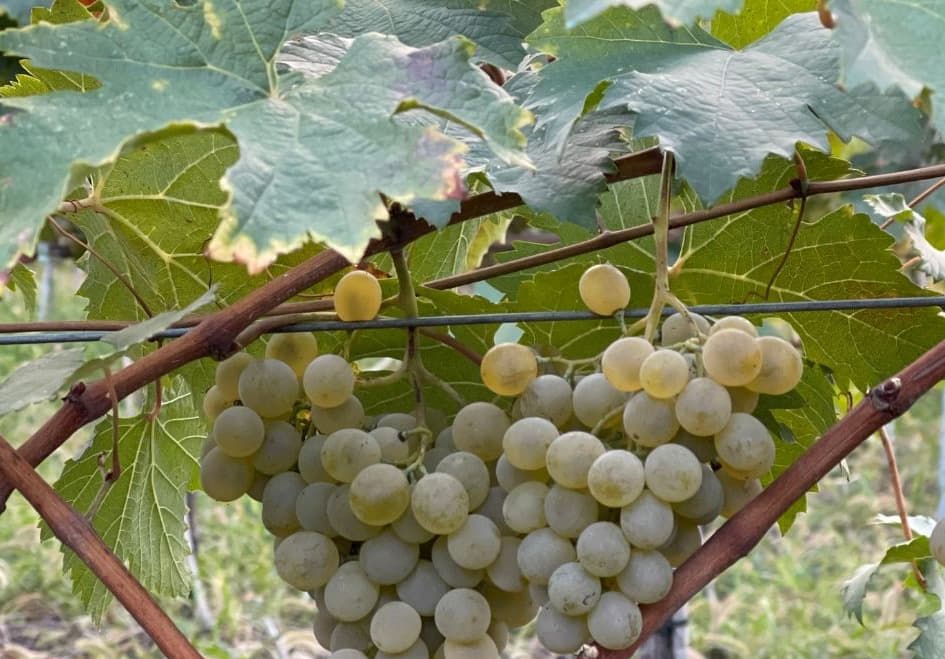
A white marked by crisp acidity and delicate fruit. Aromas of citrus, green apple and herbs, with acidity that tightens the palate. It never overpowers food — ideal for light, elegant pairings.

Characterized by generous fruit and soft acidity. Notes of apricot, tropical fruit and light herbs in a well-balanced style. It enriches a dish without ever feeling heavy.

A rare variety grown mainly around Akhmeta in Kakheti. Floral, with aromas of citrus, pear and peach. Vinified in qvevri, it reveals ripe pear, dried apricot, orange and walnut flavors with a firm structure.
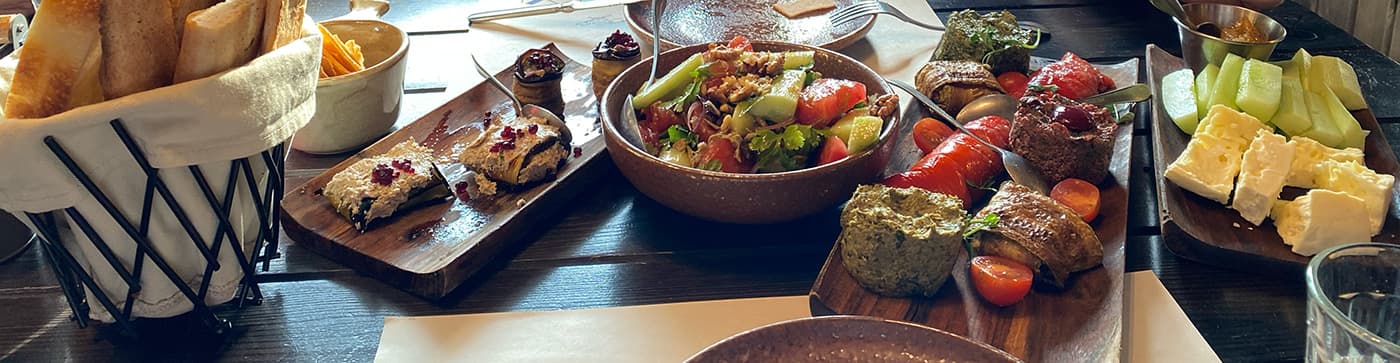
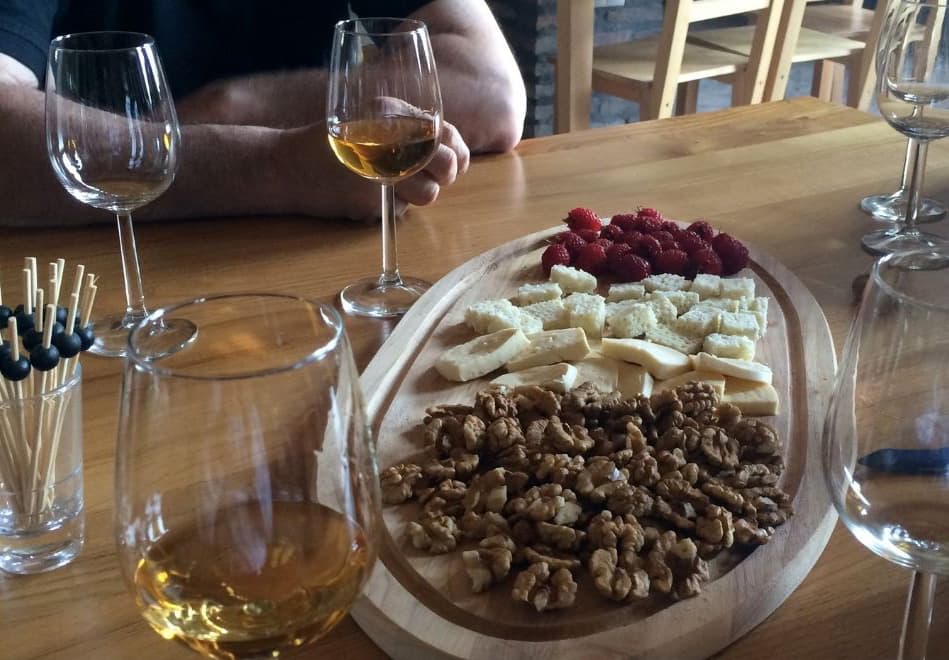
At the heart of Georgian food culture is the supra, the traditional feast: platter after platter arrives at the table as toasts keep the celebration going late into the night. The specialties are countless — cheese-filled khachapuri bread, soup dumplings called khinkali, satsivi chicken in walnut sauce — and walnuts above all are the cornerstone of the cuisine. Together with herbs and spices such as coriander and fenugreek, they give the dishes their distinctive flavor and color. Rich with nuts and fragrant with herbs, Georgian cuisine is a natural match for the wines born of the same land.


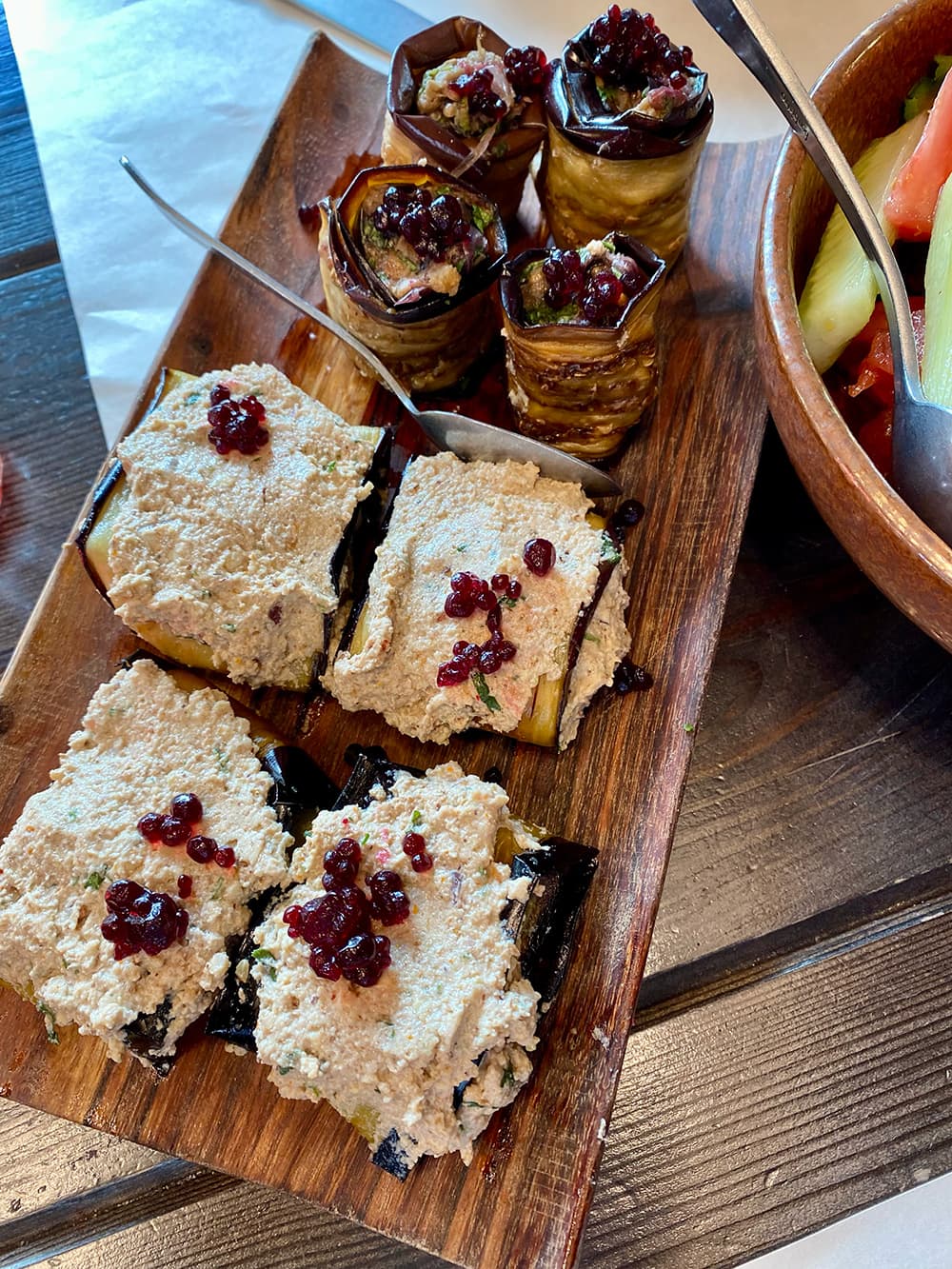
A classic starter of fried eggplant rolled around walnut paste, accented with tart pomegranate seeds. Lovely with white and amber wines.

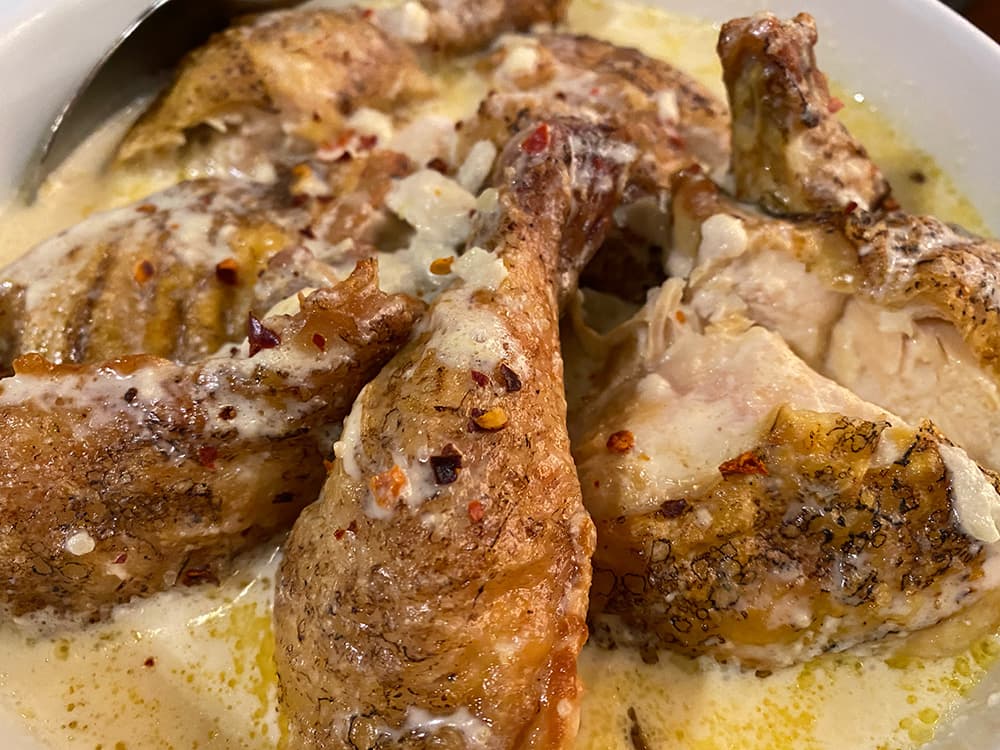
A country dish of chicken simmered in a garlic and milk sauce. Its richness brings out the best in amber and red wines.
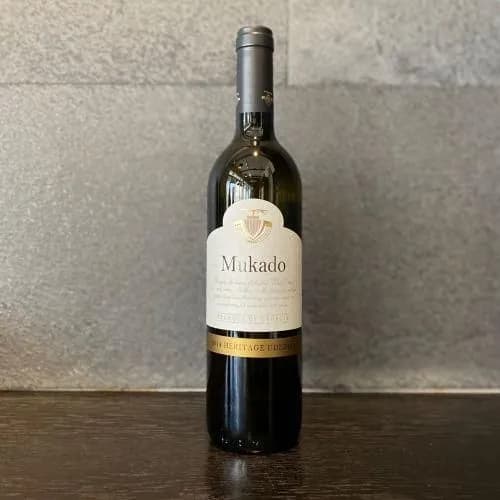
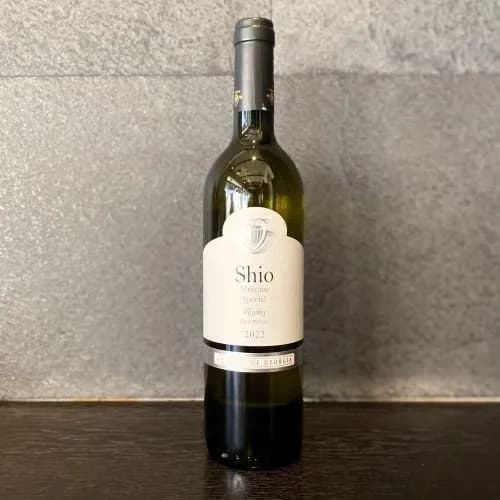
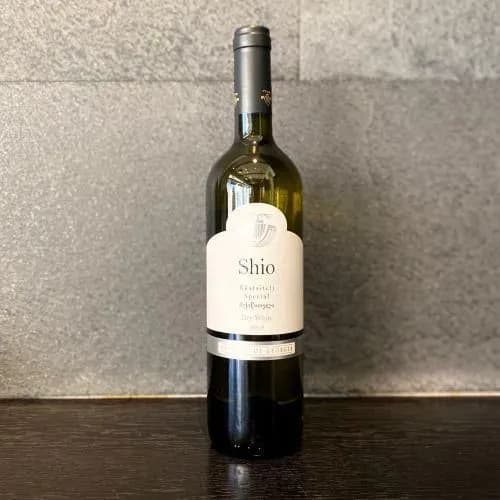
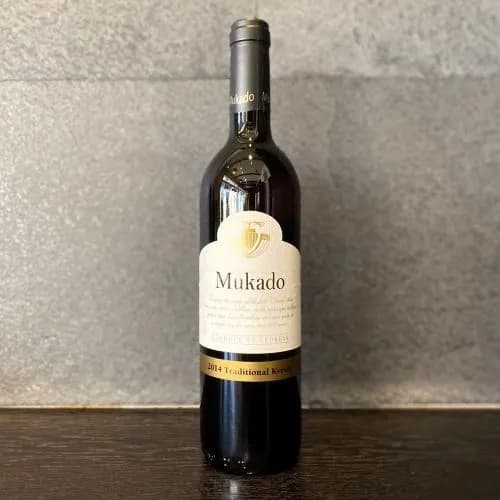
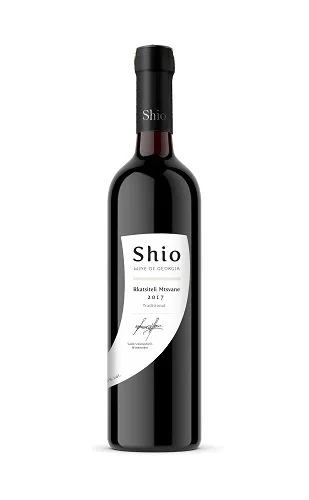
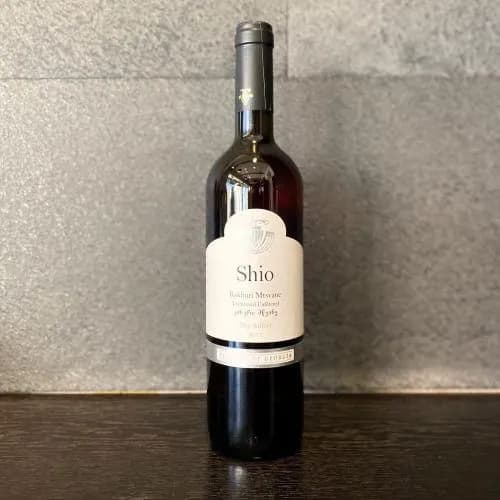
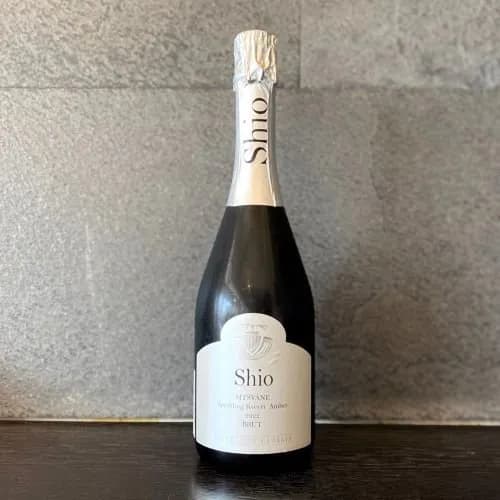
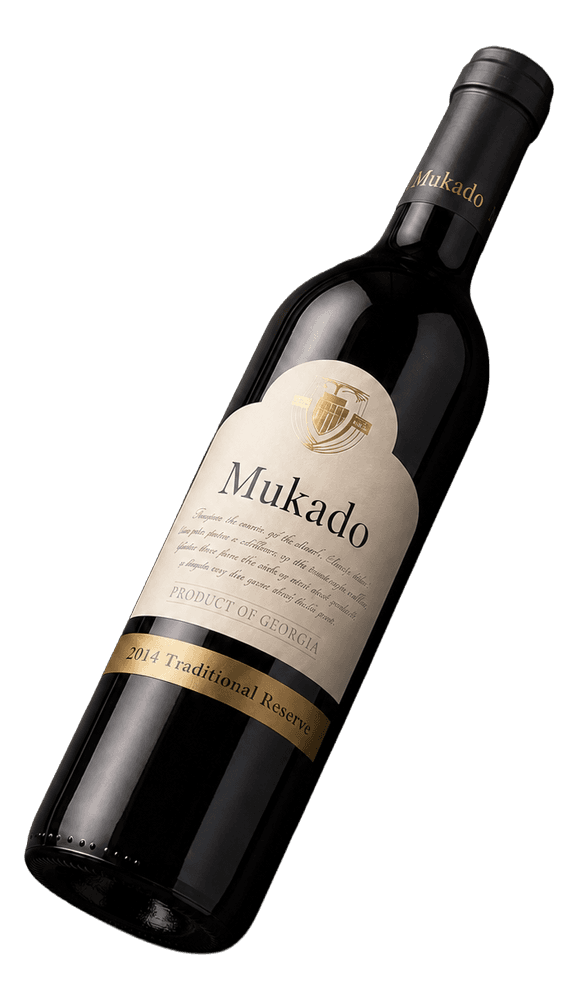
Representative wines from MUKADO and Shio in four categories: red, white, amber and sparkling.

A semi-sweet red made from a blend of dark grapes fermented naturally in barrels, with a pleasing balance of gentle sweetness and acidity. Fruity aromas of blackberry and plum.

A dry red of single-varietal Saperavi aged traditionally in oak. Malolactic fermentation softens its edges, revealing complexity, depth and a long finish.

A dry red combining ancient tradition with modern fermentation techniques, finished unfiltered. Lifted aromas of dark berries and spice with a complex palate.

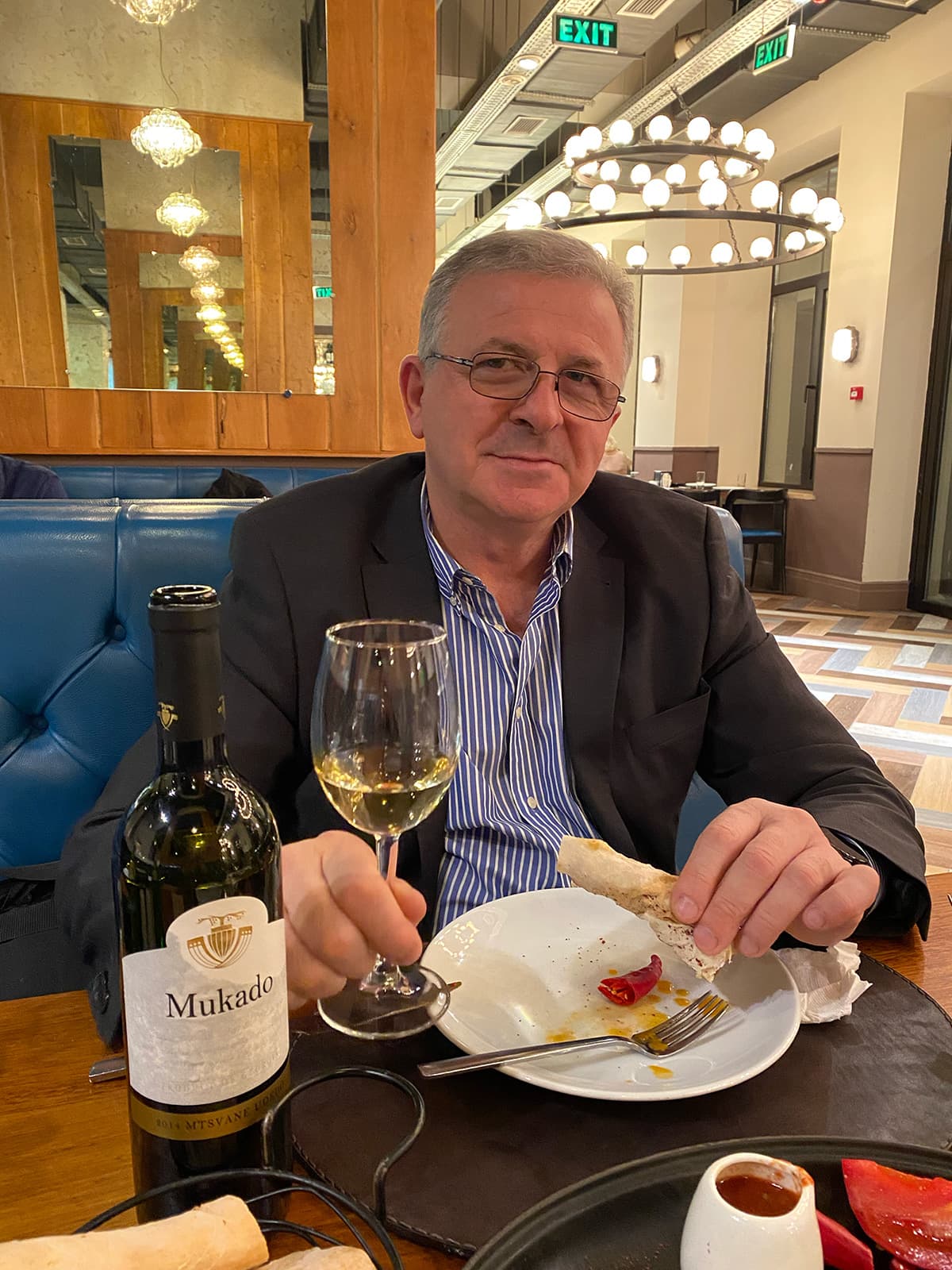
A dry white of Mtsvane grown at 560–600 m, made by traditional methods. Firm body and minerality with a dry, elegant nose.

A dry white from Mtsvane, one of Georgia's most ancient varieties. A saline, mineral palate interwoven with citrus fruit and complex notes of herbs and spice.

A dry white from Rkatsiteli grown at 550–590 m. Built on pleasant acidity and minerality, with mulberry and spice aromas and complexity from aging.

An unfiltered dry amber fermented and aged on the skins in large qvevri. A complex nose with hints of peach and herbs and gentle acidity.

A traditional Georgian amber made with extended skin contact of white grapes. A complex wine combining elements of white, red, rosé and amber, reaching its peak after several years of aging.

Fermented with skins, stems and seeds, then aged for over six months in concrete vats — an unfiltered dry amber with generous tannins, minerality and layered complexity.

A dry sparkling wine combining the amber method of skin maceration with barrel aging and a fine sparkle. Deep, complex flavors lifted by a delicate mousse.
What MUKADO WINES inherits is 8,000 years of Georgian wine culture and eleven generations of Uznashvili family tradition. We bring that devotion to Japan, in every glass of wine.